

Applying for College
Contributed by Speak Up for Kids Student Intern Team — This article was developed through the combined efforts of multiple student interns, each bringing unique skills and perspectives to support life skills education for foster youth.
Overview
Applying for college is a major milestone, and it’s normal to feel unsure about where to begin—especially when scholarships and financial aid are involved. With the right approach, preparation, and organization, the process becomes much more manageable. This guide walks you through each step, from researching scholarships to submitting applications, so you can move forward with clarity and confidence.
Step 1: Researching Scholarships
Researching scholarships is a crucial first step. Utilize online scholarship search engines and databases to find opportunities that match your interests, skills, and background. Additionally, check with local organizations, businesses, and community groups for scholarship programs they may offer. Explore scholarship opportunities through your school and colleges as well. Pay close attention to eligibility criteria, deadlines, and any specific requirements each scholarship may have.
Step 2: Gathering Application Materials
Once you have identified scholarships you want to apply for, start gathering the necessary application materials. These typically include:
Personal information: Provide your name, contact details, and any other required personal information.
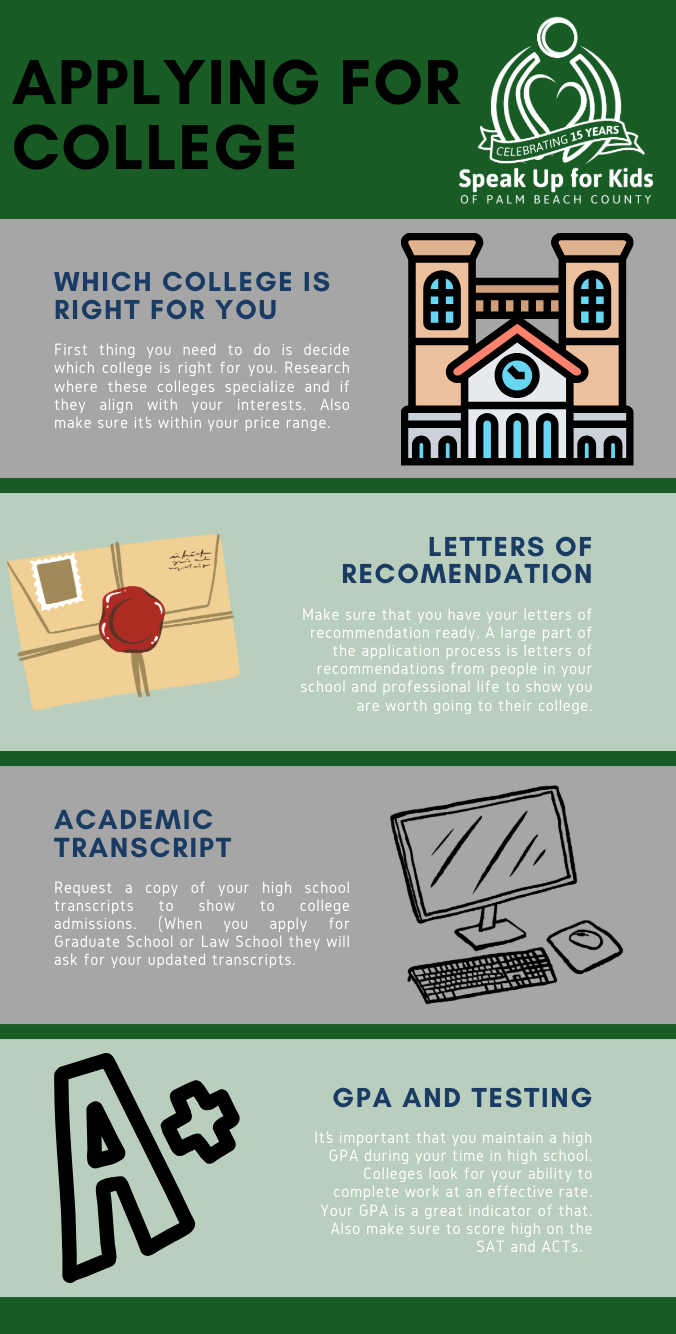
Transcripts and academic records: Request copies of your high school transcripts and any other academic records required by the scholarship providers.
Letters of recommendation: Identify potential recommenders such as teachers, mentors, or employers. Request recommendation letters from them well in advance and provide them with any necessary information, such as your resume or achievements.
Personal statement or essay: Most scholarships require a personal statement or essay. Reflect on your personal experiences, achievements, and goals. Follow a clear structure with an introduction, body paragraphs, and a conclusion. Showcase your unique qualities, skills, and passion. Seek feedback and revise your essay to make it compelling.
Financial information: Some scholarships may require information about your financial background. Prepare any necessary financial documents if applicable.
Step 3: Organizing and Maintaining Application Files
It's important to stay organized throughout the application process. Create a file or folder for each scholarship opportunity. Keep all the relevant documents, including application forms, transcripts, recommendation letters, and your personal statement, in their respective folders. This will make it easier to find and submit the required materials when the time comes.
Step 4: Following Application Guidelines and Deadlines
Carefully read and understand the guidelines provided by each scholarship. Make note of the submission instructions, such as whether applications are accepted online or through physical mail. Create a schedule and set reminders for each scholarship's deadline to ensure you have enough time to complete and submit the applications. Be sure to adhere to the guidelines and meet all the requirements outlined by the scholarship providers.
Step 5: Reviewing and Editing Applications
Before submitting your applications, conduct a thorough review and editing process. Check each application for completeness, accuracy, and adherence to the guidelines. Proofread your essays and personal statements for grammar and spelling errors. Double-check that you have included all the required documents and that they are properly labeled. Consider seeking feedback from teachers, counselors, or trusted individuals to ensure your applications are strong and error-free.
Step 6: Submitting Applications
Submit your applications before the specified deadlines. If submitting online, make sure you have a stable internet connection and that you follow the instructions for uploading files or filling out online forms. If submitting physically, ensure you have the correct mailing address and postage. Keep a copy of each application for your records.
Step 7: Follow Up and Keep Track
If possible, confirm the receipt of your application materials with the scholarship provider. Keep a record of the scholarships you have applied to, along with their deadlines and outcomes. This will help you stay organized and allow you to follow up if needed. Additionally, if there are any updates or changes to your contact information, inform the scholarship providers promptly.
Step 8: Exploring Alternative Funding Sources
While waiting for scholarship results, explore other funding sources. Consider financial aid options offered by colleges or universities you are interested in attending. Look into grants, bursaries, and work-study programs as well. Research and apply for any other forms of assistance available, such as local programs or foundations.
Final Thoughts
The college and scholarship application process takes time, effort, and persistence—but every step you take brings you closer to your goals. Staying organized, meeting deadlines, and applying to multiple opportunities can greatly increase your chances of success. Even if you don’t receive every scholarship you apply for, the experience builds skills that will benefit you throughout college and beyond. Keep going, ask for support when needed, and remember—you’re investing in your future.