

Arrested? What is Bail?
Contributed by Speak Up for Kids Student Intern Team — This article was developed through the combined efforts of multiple student interns, each bringing unique skills and perspectives to support life skills education for foster youth.
Overview
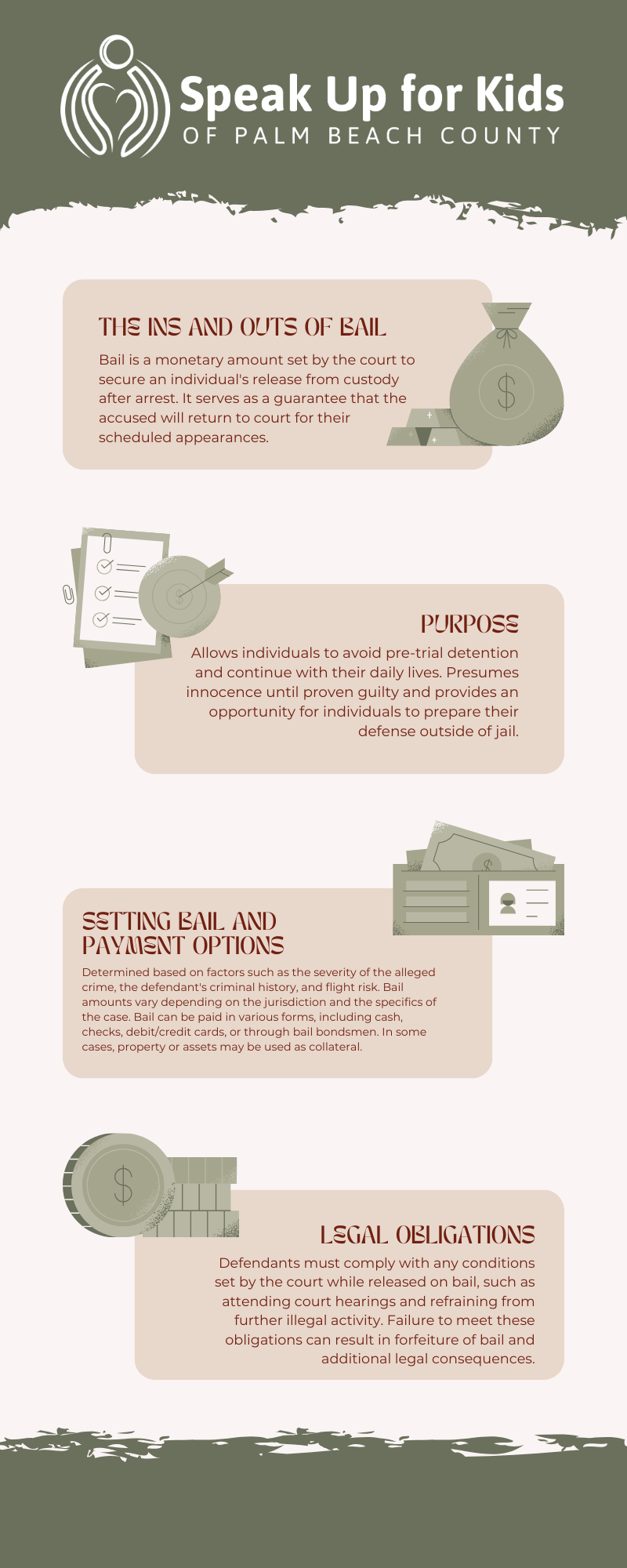
Traditionally when you are arrested you will be held in county jail up until your day in court, unless you are able to “make bail”. Bail is the amount of money that the court requires you to pay in order to stay out of jail until your day in court (It’s expected that you will return for your day in court).
If you don’t pay bail and skip town the court will send a bail bondsman or bounty hunter after you to bring you back. These people with the authority of the court are authorized to bring you back (depending on state laws, they are authorized to use lethal force if necessary).
How is Bail Set?
Bail is set according to multiple factors like:
The crime
Your age
Criminal history
Level of education
Employment
Your history on whether or not to appear
Your level of income
Level of involvement in society
And your history of substance abuse
How can I Pay My Bail?
You don’t have to pay your bail in one full lump sum. Most bail companies will set your bail payments at 10% for example if your bail is set at 2,000 dollars, you will be expected to pay 200 dollars. There are multiple ways or payment options on your bail bonds. The most common payment is cash, however, there are several other options to consider:
Pay your bail with a money order or a check (Obviously don’t write a bad check).
Pay your bail with a debit or credit card.
Most bail companies now can issue Bail Bond Payment Plans. Consult with your bail bondsman on what plan can work for you.
With larger bonds, it can be more difficult to pay in sums of cash you can use real estate as a form of collateral to pay.
Final Thoughts
Bail plays an important role in helping ensure people show up for their court dates, and the amount set can depend on many personal factors—like the type of charge, someone’s background, and their connection to the community. If bail isn’t paid, bail bondsmen or court-authorized bounty hunters may be sent to bring the individual back, which is why understanding your options is so important.
The good news is that there are several flexible ways to cover bail bonds, from cash and cards to money orders, checks, or even real estate for larger amounts. Many agencies also offer Bail Bond Payment Plans, making the process a little less overwhelming during an already stressful time. Talking with a trusted bail bondsman can help you figure out the best option for your situation and give you peace of mind moving forward.