

A Beginner’s Guide to Credit
Contributed by Speak Up for Kids Student Intern Team — This article was developed through the combined efforts of multiple student interns, each bringing unique skills and perspectives to support life skills education for foster youth.
Overview
Building a good credit score is essential for financial success, but the first step often involves applying for a credit card. Here's how to apply and what you'll need:
How to Apply for a Credit Card
Documents and Information Needed:
Full Legal Name: As it appears on official documents.
Social Security Number (SSN): Used to check your credit history.
Primary Address: Where you currently live.
Annual Income: Helps determine your credit limit.
Employment Status: To assess your ability to repay.
Housing Costs: Monthly rent or mortgage payments.
Phone Number: For contact and verification.
Credit Score: A key factor in determining eligibility and terms.
Easy Ways to Apply
Online: Most banks and credit card companies allow you to apply directly through their websites. This is usually the fastest method.
In-Person: Visit a bank or credit union to apply with the help of a representative.
By Phone: Some providers allow applications over the phone.
When applying, pay attention to the Annual Percentage Rate (APR), which is the yearly cost of borrowing on the card, including interest and fees. A lower APR is better, especially if you plan to carry a balance.
Ways to Build and Maintain Credit
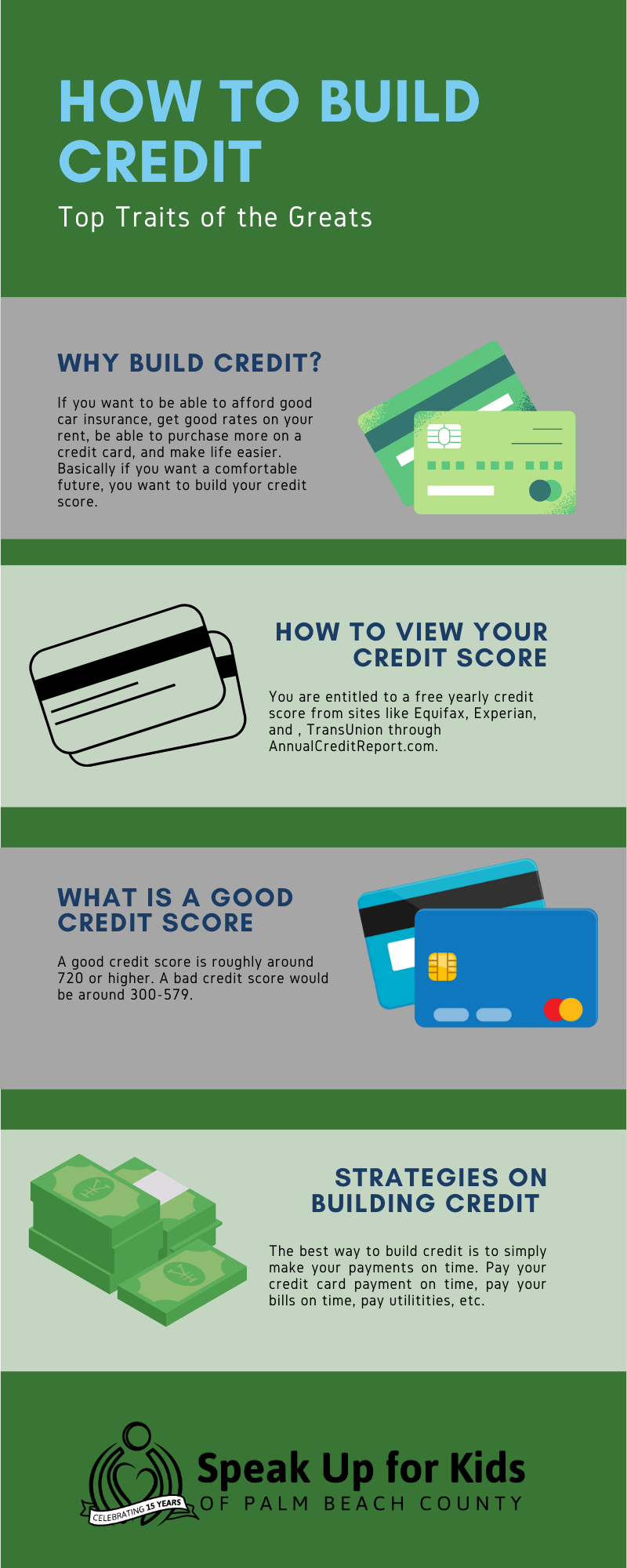
Pay All Bills on Time: Ensuring timely payments is crucial, as it has the largest impact on your credit score.
Keep Credit Utilization Low: Aim to keep your credit card balances below 30% of your credit limit.
Report Rent and Utility Payments: Use services that report your on-time rent and utility payments to credit bureaus.
Limit New Credit Inquiries: Avoid applying for too many credit cards or loans in a short period.
Maintain Older Credit Accounts: Keeping older accounts open can positively influence your credit score.
Diversify Your Credit Mix: Having a variety of credit types, such as credit cards, auto loans, and student loans, can improve your score.
Review Your Credit Report Regularly: Check for errors or fraudulent activities and dispute inaccuracies promptly.
Use Credit Responsibly: Focus on essential purchases and avoid frivolous spending that could lead to debt.
By understanding the application process and practicing responsible credit habits, you can build a strong credit profile that offers numerous financial benefits.
Situations When Your Credit Will Be Checked
Applying for a Loan:
When you apply for any type of loan (mortgage, auto, personal), lenders will check your credit to evaluate your eligibility and terms.
Credit Card Applications:
Credit card issuers check your credit score and report to determine if you qualify for a new card and to set your interest rate and credit limit.
Renting an Apartment:
Landlords often check credit reports to assess the risk of renting to a potential tenant.
Buying a Car:
Auto dealerships and lenders check credit scores when you finance or lease a vehicle.
Employment Background Checks:
Employers, especially in financial or government sectors, might check your credit as part of the hiring process.
Utility Services:
Utility companies may check your credit to determine if a security deposit is needed for services like electricity, gas, and water.
Insurance Applications:
Insurance companies sometimes use credit information to set premiums for auto, home, and renters insurance.
Opening a Bank Account:
Some banks check your credit when you open a new account, particularly for accounts that come with overdraft protection.
Cell Phone Contracts:
Cell phone providers may check your credit before approving a new contract or financing a phone.
Refinancing Existing Loans:
When you refinance a mortgage, auto loan, or other loan, lenders will check your credit to determine new terms and interest rates.
Final Thoughts
Building credit takes time, but the habits you develop early can have a lasting impact on your financial future. By understanding how credit works and using it responsibly, you set yourself up for better opportunities and greater financial flexibility. Stay consistent, stay informed, and your credit can become a powerful tool for long-term success.