


LIFE SKILLS PORTAL
This comprehensive online platform provides a wealth of resources and support to empower young individuals as they transition into adulthood and independence.
To Know Thyself: The Value of Introspection
Introspection helps you understand your thoughts, emotions, and behaviors on a deeper level. By reflecting on your experiences, you can recognize patterns and make positive changes. Learn how to practice introspection effectively while avoiding harmful rumination.
How the Human Body Responds to Trauma
When something traumatic happens, your body and brain respond in powerful ways to protect you. But sometimes, that response sticks around longer than needed—affecting your emotions, thoughts, and health. This article breaks down how trauma works in your body and offers helpful reminders and steps to begin healing. You’re not alone, and you can take back control.
A Quick Letter on Managing Stress and Taking Care of Your Mental Health
Stress is something we all experience, especially during big life changes—but you don’t have to face it alone. In this quick guide, you’ll find easy tips to help manage stress, build mental strength, and take care of your emotional well-being. Whether it’s deep breathing, getting rest, or talking to someone you trust, small steps really can make a big difference.

Lit Life Skills: Expression of Emotions Through Songs, Poetry, and Literature
Writing is a powerful outlet for expressing emotions. Whether you're navigating grief, joy, anxiety, or anger, creativity can help. This article explores how songs, poems, and books offer healthy ways to process and release deep feelings—especially for youth who’ve faced tough experiences. You’ll find real examples from well-known artists and authors, plus inspiration to use writing as your own emotional tool.
How to Develop Self-Discipline
Self-discipline isn’t something you’re born with—it’s something you build over time. This guide walks you through simple steps like setting clear goals, creating routines, and staying accountable. Whether you're working toward academic success, career goals, or personal growth, these strategies can help you stay focused and follow through—even on the tough days.
Fight, Flight, and Freeze: Your Brain’s Survival Mechanisms
Have you ever reacted strongly to something that felt small or ordinary? You’re not alone. Our bodies sometimes slip into fight, flight, or freeze when something reminds us—consciously or not—of past stress or trauma. Understanding these responses can help you recognize what’s happening in the moment, calm your body, and take back control.
Building Resilience: Strengthening Your Mental Health
Resilience isn’t about pretending life is easy—it’s about discovering the strength you didn’t know you had. Whether you’re healing from trauma, navigating stress, or simply trying to grow through hard seasons, building resilience helps you rise again with greater clarity and confidence. With support, self-care, and the right mindset, you can turn challenges into stepping stones and shape a future rooted in courage and hope.
The Science of Stress
Stress is a part of everyday life, but when it lingers for too long, it can take a real toll on your mind and body. If you’ve ever faced a season of constant pressure, you’re not alone. With simple habits, grounding techniques, and the right support, you can start easing that stress and create more calm and balance in your daily life.
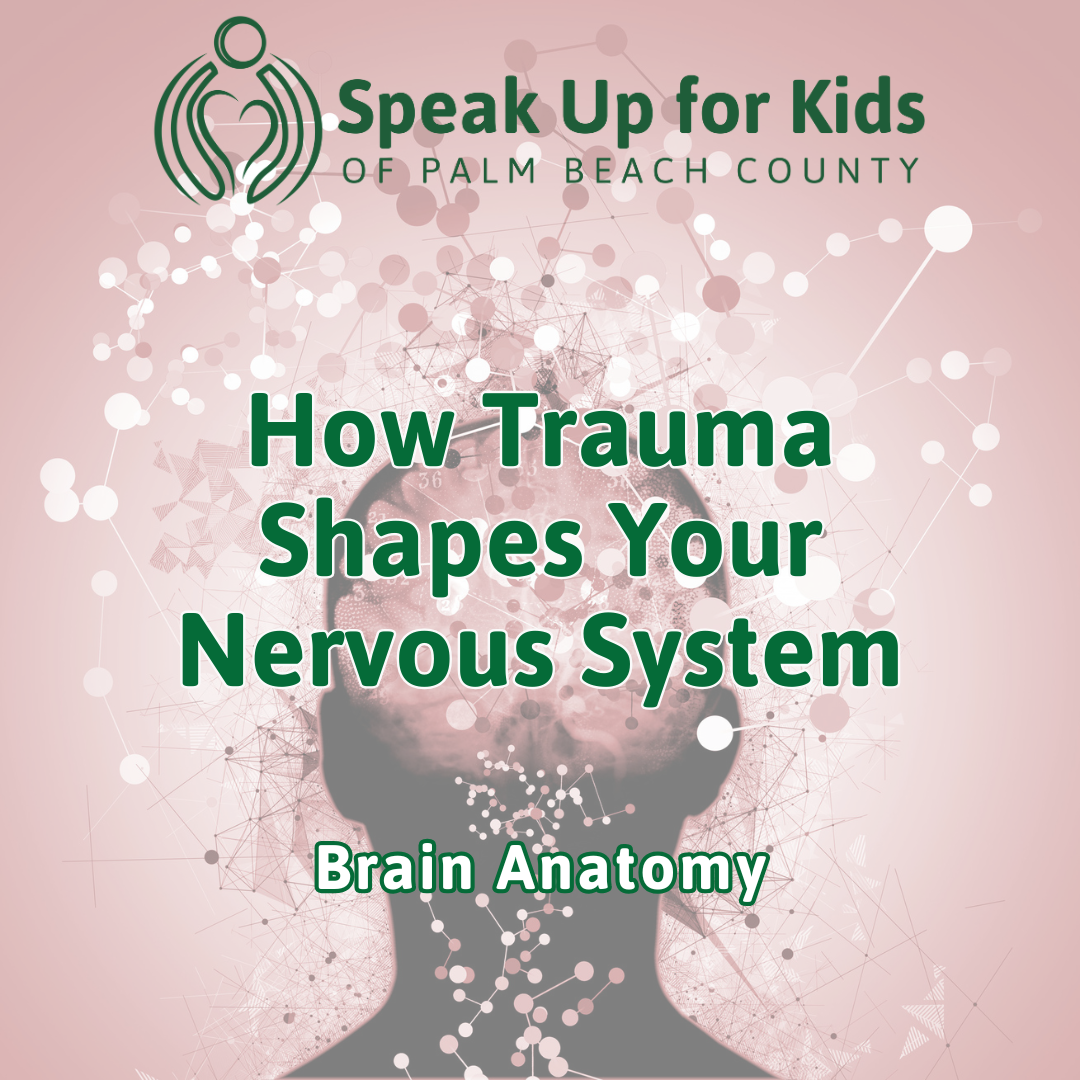
How Trauma Shapes Your Nervous System
Trauma can affect key parts of the brain—like the amygdala, prefrontal cortex, and hippocampus—leading to stress, emotional ups and downs, memory issues, and relationship challenges. Understanding these effects helps you gain insight, build coping skills, and seek support to navigate life with resilience.
The Mind-Body Connection
Exercise isn’t just for your body—it’s a powerful tool for your mind too. Regular physical activity boosts mood, reduces stress and anxiety, sharpens focus, and builds emotional resilience. By finding activities you enjoy and staying consistent, you can improve both your mental and physical well-being, helping you feel happier, stronger, and more confident every day.
Domestic Violence
Transitioning out of foster care comes with new responsibilities—and understanding domestic violence is an important part of staying safe. Knowing the signs of abuse and where to get help empowers you to protect yourself and build healthy relationships. If something feels wrong, trust your instincts and reach out. You deserve safety, support, and a future free from abuse.
Coping with Anxiety
Transitioning out of foster care can be exciting but also stressful. Understanding anxiety and learning how to manage it is key to protecting your mental health and navigating this next chapter with confidence. This guide will walk you through helpful tips proven to reduce anxiety, stress, and worry.
Understanding Therapy: Exploring Therapy Options for Mental Health
Taking care of your mental health is one of the best things you can do for yourself, and therapy is a powerful way to start. This blog breaks down different types of therapy in a friendly, simple way—helping you understand what each one offers and how to choose the right fit for your unique needs. Whether you're curious about getting started or looking to deepen your healing journey, this guide gives you the clarity and confidence to take that next step.
Exploring Meditation: A Simple Practice for a Calm Mind
Feeling stressed or overwhelmed? Meditation is a simple practice that can help you find calm, focus, and clarity in your daily life. Learn how to meditate, cultivate mindfulness, and experience the mental and emotional benefits of this powerful practice.
Coping with Depression as a Young Adult or Teen
Depression can feel heavy and isolating, but it’s more common than many people realize—and help is available. This guide explains what depression is, how to recognize the signs, and the steps you can take to care for yourself and seek support. You don’t have to face this alone.
Understanding Therapy: What Happens When You Talk to a Therapist
Starting therapy can feel intimidating, but it’s really just a safe place to talk, learn coping skills, and feel supported. This guide explains what therapy is like, how it can help, and why taking this step is a powerful act of self-care.
Self-Care
Self-care isn’t about avoiding responsibility or doing whatever feels good in the moment—it’s about learning how to care for yourself in healthy, balanced ways. This page explores what self-care really means, why it matters, and how you can practice it intentionally so you have the energy to handle life’s challenges.