


LIFE SKILLS PORTAL
This comprehensive online platform provides a wealth of resources and support to empower young individuals as they transition into adulthood and independence.
The Power of Mindfulness: Calming Your Nervous System
Healing from trauma takes time, patience, and compassion for yourself — and mindfulness can be a powerful part of that journey. Simple practices like breathing, grounding, and gentle awareness help calm the nervous system, regulate overwhelming emotions, and bring you back to the present moment. You don’t have to rush the process. With mindfulness, you can reconnect with yourself, quiet the stress in your body, and slowly rebuild a sense of safety and strength from the inside out.
The Science of Stress
Stress is a part of everyday life, but when it lingers for too long, it can take a real toll on your mind and body. If you’ve ever faced a season of constant pressure, you’re not alone. With simple habits, grounding techniques, and the right support, you can start easing that stress and create more calm and balance in your daily life.
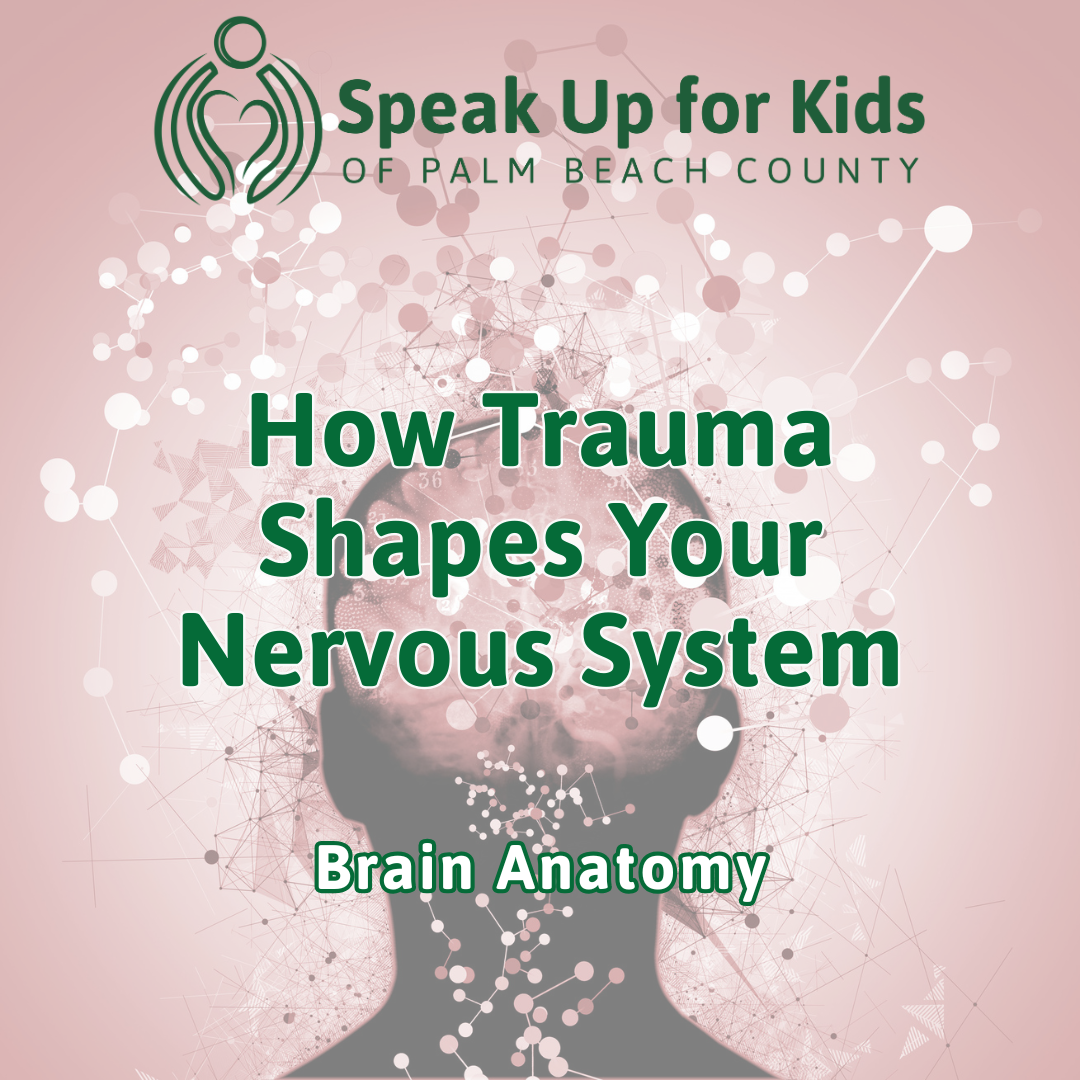
How Trauma Shapes Your Nervous System
Trauma can affect key parts of the brain—like the amygdala, prefrontal cortex, and hippocampus—leading to stress, emotional ups and downs, memory issues, and relationship challenges. Understanding these effects helps you gain insight, build coping skills, and seek support to navigate life with resilience.

Inspiring Words from Brandin Bryant: Navigating Adulthood After Aging Out of Foster Care
Former NFL player Brandin Bryant shares empowering advice for young adults stepping into independence. He emphasizes accountability, resilience, and cherishing the journey, reminding us that life is full of lessons, wins, and opportunities for growth. With patience, persistence, and a focus on the present moment, Bryant encourages everyone to embrace challenges, learn continuously, and remember: anything is possible.

Finding Your Voice: Healing Through Creative Expression
Creative expression can be a powerful way to process and heal from trauma. Whether through art, movement, music, or writing, finding a safe outlet for your emotions can help you release what you’ve been holding inside. When words feel too heavy or too hard to say, creativity gives you another language to understand your experiences, build confidence, and begin your healing journey.
The Mind-Body Connection
Exercise isn’t just for your body—it’s a powerful tool for your mind too. Regular physical activity boosts mood, reduces stress and anxiety, sharpens focus, and builds emotional resilience. By finding activities you enjoy and staying consistent, you can improve both your mental and physical well-being, helping you feel happier, stronger, and more confident every day.
Entitlement
Transitioning out of foster care means taking charge of your life—and developing a healthy mindset is key. Learning to recognize and manage entitlement can help you build stronger relationships, achieve your goals, and grow as a person. By practicing gratitude, taking responsibility, and appreciating the efforts of others, you can create a balanced, empowered approach to life and set yourself up for lasting success.
Domestic Violence
Transitioning out of foster care comes with new responsibilities—and understanding domestic violence is an important part of staying safe. Knowing the signs of abuse and where to get help empowers you to protect yourself and build healthy relationships. If something feels wrong, trust your instincts and reach out. You deserve safety, support, and a future free from abuse.

7 Practical Healthy Eating Tips for Young Adults
Eating healthy doesn’t have to feel overwhelming or restrictive. With a few simple habits, you can fuel your body in a way that boosts your energy, mood, and long-term well-being. These practical tips make healthy eating more approachable—helping you make small changes that add up to big results. Remember, every positive choice is a step toward a stronger, healthier you.
Trauma and the Teen Brain: A Q&A
Trauma can deeply impact a teenager’s developing brain, influencing emotions, decision-making, memory, and relationships. Understanding these effects is essential for parents, educators, and anyone supporting youth. With the right interventions—like therapy, mindfulness, and a safe, supportive environment—teens can build resilience, heal from distressing experiences, and thrive. Knowledge and empathy go a long way in helping young people navigate the challenges of trauma and emerge stronger.
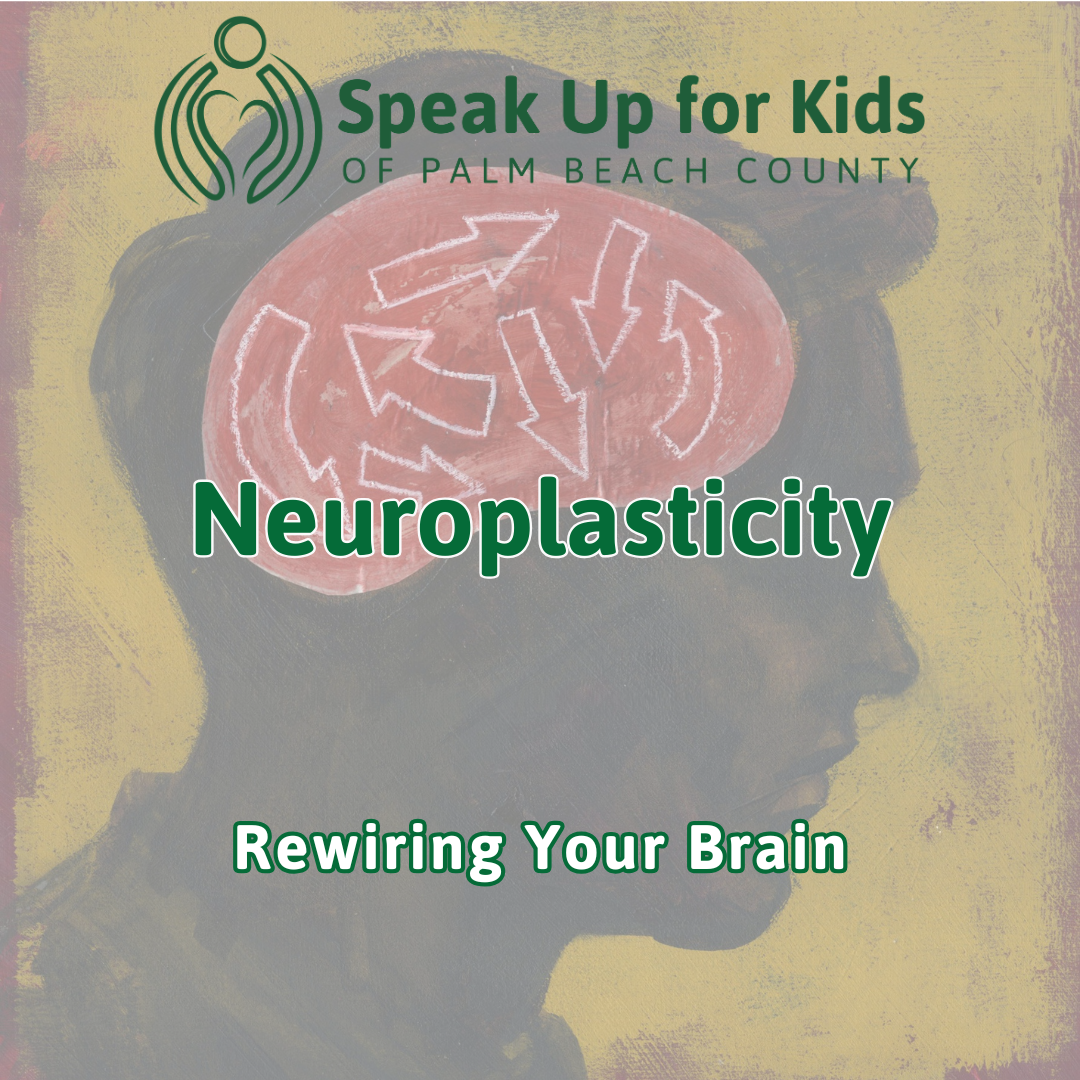
Rewiring your Brain: Neuroplasticity and Healing
The brain is far more adaptable than once believed. Thanks to neuroplasticity, it can create new pathways, heal from trauma, and reshape how we think and respond to the world. Trauma may disrupt key areas like the amygdala, hippocampus, and prefrontal cortex, but practices such as mindfulness, therapy, exercise, and healthy habits can help rewire the brain toward stability and resilience. Understanding this process empowers individuals to take active steps toward recovery, healing, and long-term emotional well-being.
Maintaining a Balanced Diet
A balanced diet does more than fuel your body—it supports your mood, energy, and overall well-being. By filling your plate with a variety of nutrients from fruits, vegetables, grains, and proteins, you help your body function at its best while also supporting long-term health. Even small, intentional choices in what you eat can strengthen your mind, protect your body, and positively impact the world around you.

Healthy Boundaries
Learning to set healthy boundaries is an important part of stepping into independence. Boundaries help protect your emotional, mental, and physical well-being while strengthening your relationships. By understanding what you need and communicating it clearly, you can create a safer, more confident path forward as you transition out of foster care.
Understanding and Coping with Bullying
Facing bullying can feel overwhelming, but you don’t have to face it alone. Understanding what bullying looks like, recognizing the signs, and knowing how to respond can help you stay safe and confident as you transition out of foster care. With the right support and strategies, you can protect your well-being and build the resilience you need to move forward.
Coping with Anxiety
Transitioning out of foster care can be exciting but also stressful. Understanding anxiety and learning how to manage it is key to protecting your mental health and navigating this next chapter with confidence. This guide will walk you through helpful tips proven to reduce anxiety, stress, and worry.
Understanding Therapy: Exploring Therapy Options for Mental Health
Taking care of your mental health is one of the best things you can do for yourself, and therapy is a powerful way to start. This blog breaks down different types of therapy in a friendly, simple way—helping you understand what each one offers and how to choose the right fit for your unique needs. Whether you're curious about getting started or looking to deepen your healing journey, this guide gives you the clarity and confidence to take that next step.

Human Trafficking: Recognizing Signs and Taking Action
Human trafficking is a hidden yet devastating crime that can happen to anyone, often preying on the most vulnerable. This guide explains what human trafficking is, how to recognize the warning signs, and steps you can take to protect yourself or help others. Learn how to stay vigilant, understand your rights, and access the resources available to combat exploitation.
Exploring Meditation: A Simple Practice for a Calm Mind
Feeling stressed or overwhelmed? Meditation is a simple practice that can help you find calm, focus, and clarity in your daily life. Learn how to meditate, cultivate mindfulness, and experience the mental and emotional benefits of this powerful practice.
Health Check: Essential Tips for Annual Physicals
Annual physicals are a chance to check in with your body, understand your health, and prepare for the year ahead. This guide walks young adults through what to review before their appointment so they feel confident, informed, and ready to advocate for their well-being.
ER or Urgent Care: Which One Do You Need?
Not sure whether you should head to the emergency room or an urgent care clinic? This simple guide breaks everything down so you can feel confident making the right choice when you or someone you love needs medical attention.